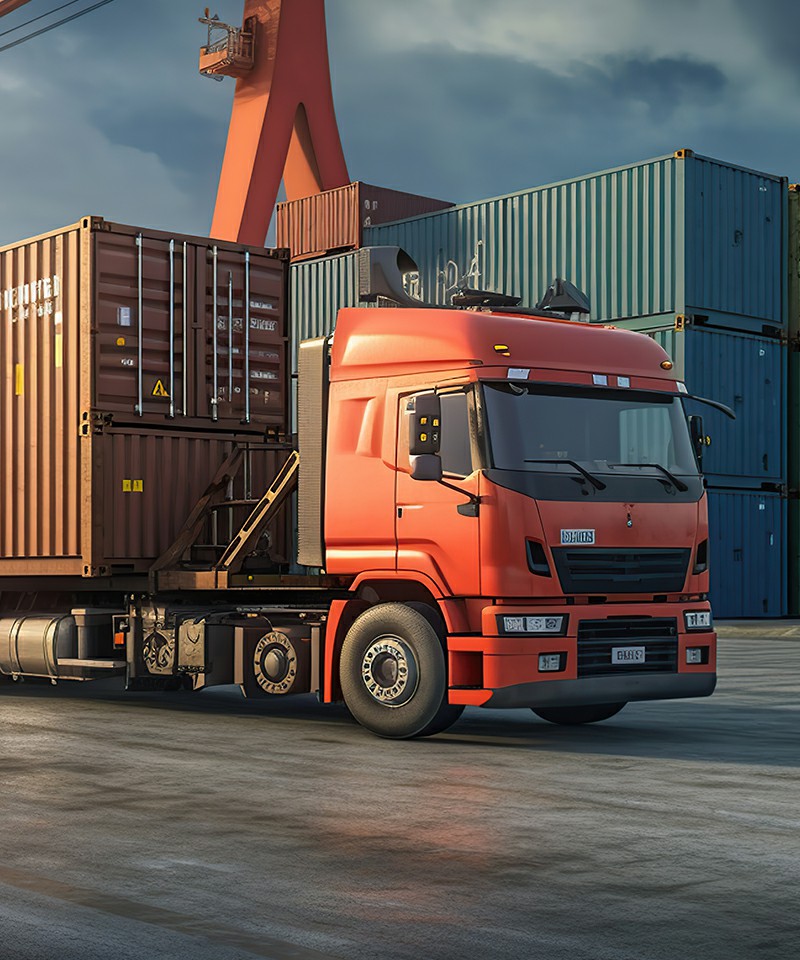
Overcoming Challenges in International Freight Forwarding
International freight forwarding plays an indispensable role in global commerce, connecting suppliers, manufacturers, and retailers across oceans and borders. However, today’s logistics operators encounter an increasingly complex landscape characterized by volatile fuel prices, shifting geopolitical tensions, and stringent customs regulations.
Key Obstacles in Global Freight
One of the primary challenges logistics providers face is regulatory compliance across varying jurisdictions. Each country maintains unique tariffs, documentation prerequisites, and inspection protocols. Delays at ports or border crossings can rapidly cascade into substantial demurrage costs and unsatisfied customers.
Additionally, modern customers demand real-time visibility and predictive transit timelines. Integrating IoT tracking sensors, automated manifest submissions, and responsive warehousing systems has transitioned from an optional perk to an absolute operational necessity.
Strategic Solutions
- Proactive Documentation: Ensure pre-clearance and digital bill of ladings to minimize port dwell time.
- Multi-Modal Routing: Combine sea, air, and overland road transport to hedge against bottlenecked choke points.
- Partnership Reliability: Collaborate with licensed, vetted local carriers boasting proven track records in the Gulf and international corridors.
By leveraging proactive risk mitigation and technology-driven fleet deployment, freight operators can consistently deliver goods securely and on schedule.